Robotic Surgery vs. Traditional Laparoscopy: Which is Better for Women's Fertility?
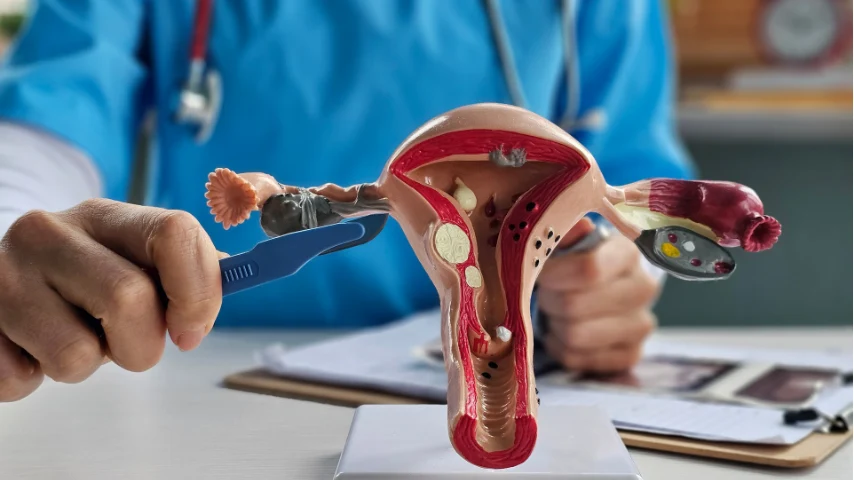
For women planning a pregnancy, conditions such as uterine fibroids, endometriosis, ovarian cysts, pelvic adhesions, and blocked fallopian tubes can affect fertility. Fortunately, advances in minimally invasive gynecological surgery have made treatment safer and more effective. Two commonly recommended options are robotic gynecological surgery and traditional laparoscopic surgery. But which one is better for preserving fertility?
Understanding the Two Surgical Techniques
Traditional laparoscopic surgery is a minimally invasive procedure performed through small incisions using a camera and specialized instruments. It has been widely used for decades to diagnose and treat various gynecological conditions while promoting faster recovery than open surgery.
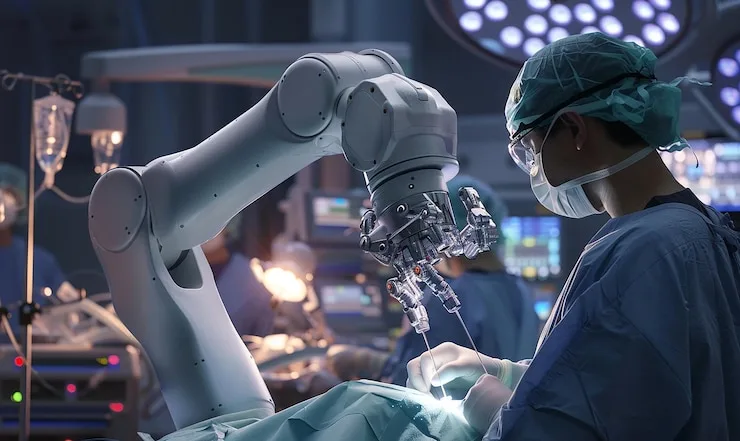
Robotic gynecological surgery is an advanced form of laparoscopy in which the surgeon controls robotic arms from a console. The robotic system provides a magnified 3D view and greater precision, allowing surgeons to perform complex procedures with enhanced control and accuracy.
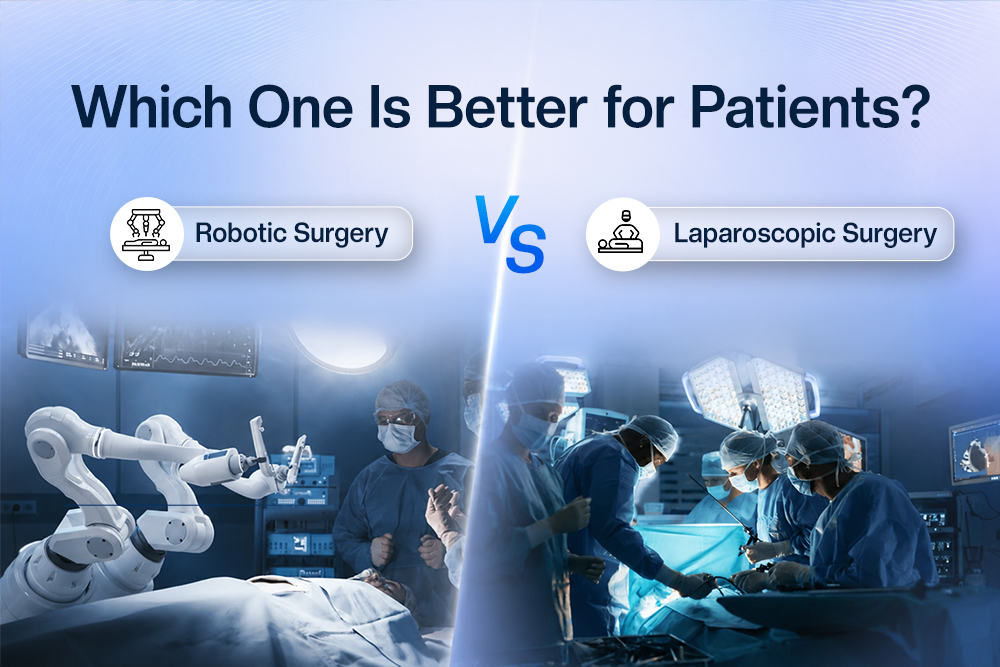
Robotic Surgery vs. Laparoscopy
Both procedures offer significant advantages over traditional open surgery, including:
- Smaller incisions
- Less blood loss
- Reduced postoperative pain
- Shorter hospital stay
- Faster recovery
- Minimal scarring
The key difference lies in the level of precision. Robotic surgery provides greater flexibility and enhanced visualization, making it particularly beneficial for women with severe endometriosis, multiple uterine fibroids, or dense pelvic adhesions. The robotic system helps surgeons preserve healthy reproductive tissues, which is an important consideration for women who wish to conceive in the future.
Traditional laparoscopy remains an excellent option for many routine gynecological procedures and delivers outstanding outcomes when performed by an experienced gynecologist.
Which Procedure is Better for Fertility?
There is no universal answer because the best surgical approach depends on the patient's condition. Women with complex pelvic disease or advanced endometriosis may benefit from the increased precision offered by robotic-assisted gynecological surgery. For less complicated cases, laparoscopic surgery can provide equally successful fertility outcomes with similar recovery times.
The experience of the surgeon often has a greater impact on fertility outcomes than the choice between robotic and laparoscopic surgery. A skilled gynecologist will recommend the procedure that offers the best chance of preserving reproductive organs while effectively treating the underlying condition.
Conclusion
Both robotic gynecological surgery and traditional laparoscopic surgery are safe, minimally invasive options that can improve fertility by treating conditions affecting the reproductive system. The ideal choice depends on your diagnosis, surgical complexity, and reproductive goals. If you are experiencing infertility due to fibroids, endometriosis, ovarian cysts, or other gynecological conditions, consult an experienced gynecologist to determine the most appropriate treatment and improve your chances of a healthy pregnancy.

Dr.Anjana Singh
Director – Obstetrics & Gynaecology | Fortis Hospital, Noida