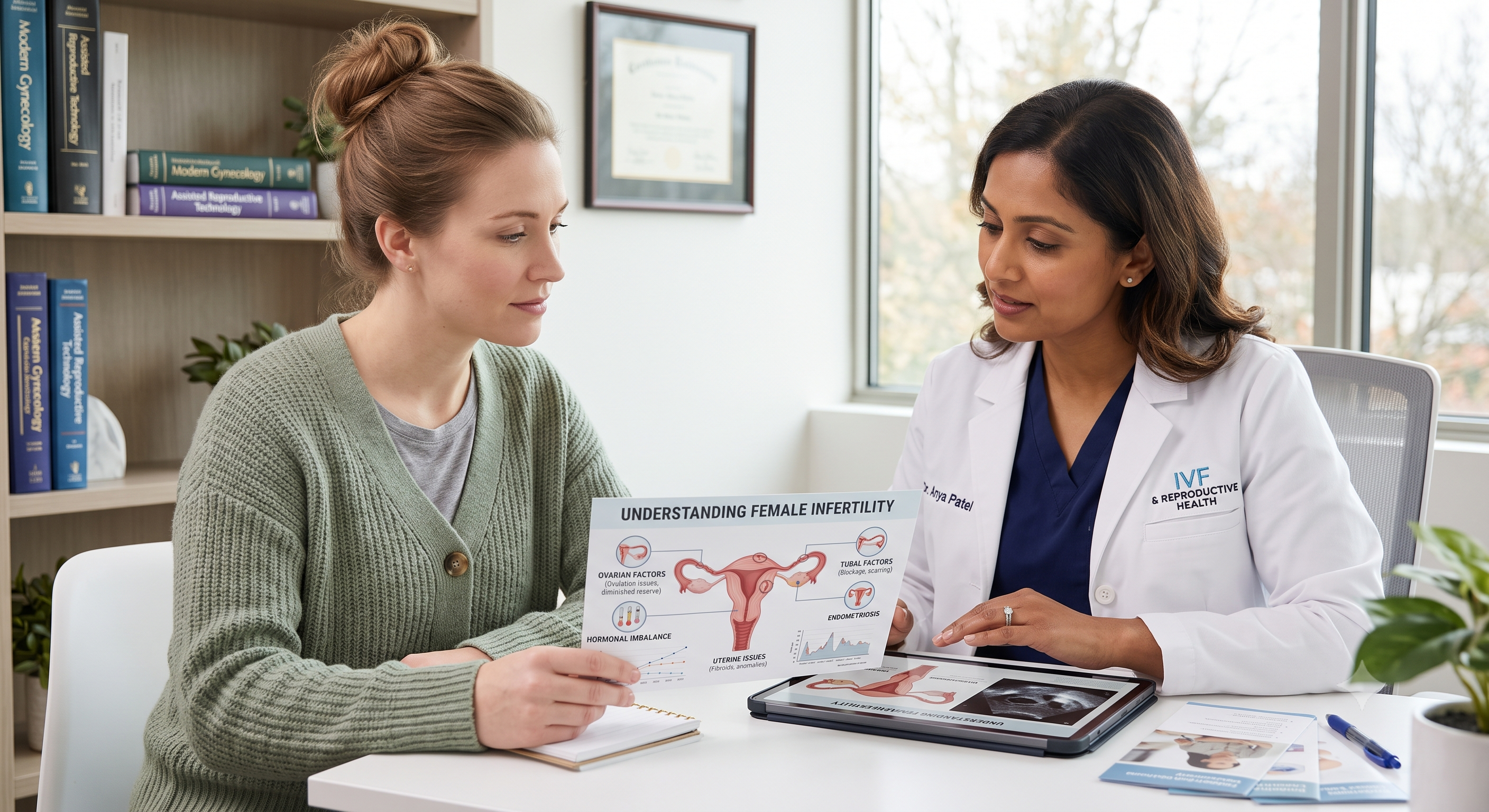
Female Infertility Treatment in Noida & Ghaziabad
Comprehensive Fertility Care to Help You Achieve Your Dream of Parenthood
Female infertility is the inability to conceive after 12 months of regular, unprotected intercourse, or after 6 months if the woman is over 35 years of age. Infertility is a common medical condition that affects millions of couples worldwide, and in many cases, effective treatment is available. With timely diagnosis, advanced fertility evaluation, and personalized treatment, many women can successfully achieve pregnancy.
If you are looking for female infertility treatment in Noida and Ghaziabad, experienced gynecologists and fertility specialists provide comprehensive fertility assessments and evidence-based treatments tailored to your individual needs.
What is Female Infertility?
Female infertility occurs when one or more factors affect a woman's ability to conceive or carry a pregnancy successfully. Fertility depends on healthy ovulation, open fallopian tubes, a healthy uterus, balanced hormones, and good overall reproductive health.
Infertility is not always caused by the woman alone. In many couples, both male and female factors contribute to difficulty conceiving, making evaluation of both partners important.
Common Causes of Female Infertility
Several medical conditions can affect fertility, including:
- Ovulation disorders
- Polycystic Ovary Syndrome (PCOS)
- Hormonal imbalance
- Thyroid disorders
- Premature ovarian insufficiency (POI)
- High prolactin levels
- Blocked or damaged fallopian tubes
- Pelvic inflammatory disease (PID)
- Previous pelvic infections
- Endometriosis
- Uterine fibroids
- Endometrial polyps
- Congenital uterine abnormalities
- Intrauterine adhesions (Asherman's syndrome)
- Age-related fertility decline
Common causes include ovulatory dysfunction, tubal disease, uterine abnormalities, endometriosis, and age-related decline in egg quantity and quality.
Symptoms That May Indicate Female Infertility
Some women may have no symptoms other than difficulty conceiving. Others may experience:
- Irregular or absent menstrual periods
- Painful menstrual cycles
- Heavy menstrual bleeding
- Pelvic pain
- Pain during intercourse
- Recurrent miscarriages
- Excess facial hair or acne, common in PCOS
- Symptoms of hormonal imbalance
If you have been trying to conceive without success, it is important to seek medical evaluation.
Diagnosis of Female Infertility
A fertility specialist may recommend:
- Detailed medical and reproductive history
- Physical and pelvic examination
- Ovulation assessment
- Hormonal blood tests
- Thyroid function tests
- Anti-Müllerian Hormone (AMH) test to assess ovarian reserve
- Pelvic ultrasound
- Transvaginal ultrasound
- Follicular monitoring
- Hysterosalpingography (HSG) to assess fallopian tube patency
- Hysteroscopy when indicated
- Laparoscopy for selected cases
- Semen analysis for the male partner
A comprehensive evaluation helps identify the underlying cause and guides the most appropriate treatment.
Female Infertility Treatment in Noida & Ghaziabad
Treatment depends on the underlying cause, age, duration of infertility, and reproductive goals.
Ovulation Induction
Medications may be prescribed to stimulate ovulation in women with ovulatory disorders.
Lifestyle Modifications
Healthy lifestyle changes can improve fertility, including:
- Maintaining a healthy weight
- Eating a balanced diet
- Regular physical activity
- Stress management
- Avoiding smoking and excessive alcohol
- Limiting excessive caffeine intake
Treatment of Hormonal Disorders
Managing conditions such as thyroid disease, PCOS, or elevated prolactin levels can improve fertility.
Surgical Treatment
Minimally invasive procedures may be recommended to treat conditions affecting fertility, such as:
- Fibroid removal (myomectomy)
- Endometriosis surgery
- Ovarian cyst removal
- Hysteroscopic polyp removal
- Adhesion removal
- Tubal surgery in selected cases
Assisted Reproductive Techniques (ART)
When appropriate, fertility specialists may recommend assisted reproductive treatments, including:
- Intrauterine Insemination (IUI)
- In Vitro Fertilization (IVF)
- Intracytoplasmic Sperm Injection (ICSI)
- Fertility preservation options for selected patients
Your fertility specialist will discuss the most suitable treatment based on your individual circumstances.
Tips to Improve Fertility
You can support your reproductive health by:
- Maintaining a healthy body weight
- Following a nutrient-rich diet
- Taking folic acid before conception
- Managing chronic medical conditions
- Avoiding tobacco and recreational drugs
- Getting adequate sleep
- Tracking ovulation when advised
- Attending regular gynecological check-ups
These measures can improve overall health and may enhance fertility.
When Should You See a Fertility Specialist?
Consult a fertility specialist if:
- You are under 35 years and have not conceived after 12 months of regular unprotected intercourse.
- You are 35 years or older and have not conceived after 6 months.
- You have irregular or absent menstrual cycles.
- You have a history of endometriosis, PCOS, or pelvic infections.
- You have experienced recurrent miscarriages.
- You have undergone previous pelvic surgery.
- Your partner has known fertility issues.
Early evaluation often improves treatment options and outcomes.
Why Choose Female Infertility Treatment in Noida & Ghaziabad?
- Experienced fertility specialists
- Advanced diagnostic facilities
- Comprehensive fertility evaluations
- Minimally invasive surgical expertise
- Ovulation management
- Access to assisted reproductive technologies when needed
- Personalized treatment plans focused on identifying the cause of infertility and helping couples achieve a healthy pregnancy
If you have been trying to conceive for one year without success, or six months if you are over 35 years old, you should schedule a fertility evaluation.
Yes. PCOS is one of the most common causes of ovulation-related infertility. However, many women with PCOS can achieve pregnancy with appropriate treatment.
Yes. Many causes of female infertility can be successfully managed with medications, lifestyle changes, minimally invasive surgery, or assisted reproductive techniques, depending on the underlying cause.
Yes. Fertility gradually declines with age, especially after 35 years, due to a decrease in the number and quality of eggs.
No. IVF is only one of several treatment options. Many women conceive with ovulation induction, treatment of underlying conditions, surgery, or IUI, depending on the cause of infertility.
Stress alone is rarely the sole cause of infertility, but it may affect hormonal balance and overall well-being. Managing stress can support reproductive health alongside medical treatment.
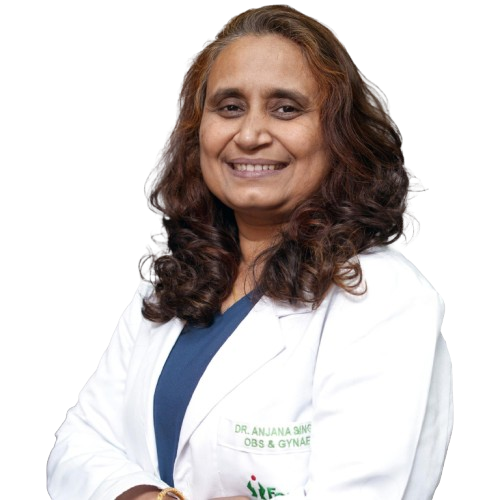
Dr. Anjana Singh
Our Services
Contact Info
Address
123 MG Road, Prayagraj, Uttar Pradesh, India
Phone
+91 98765 43210
care@womenshealth.com
Working Hours
Mon - Sat: 9:00 AM - 7:00 PM