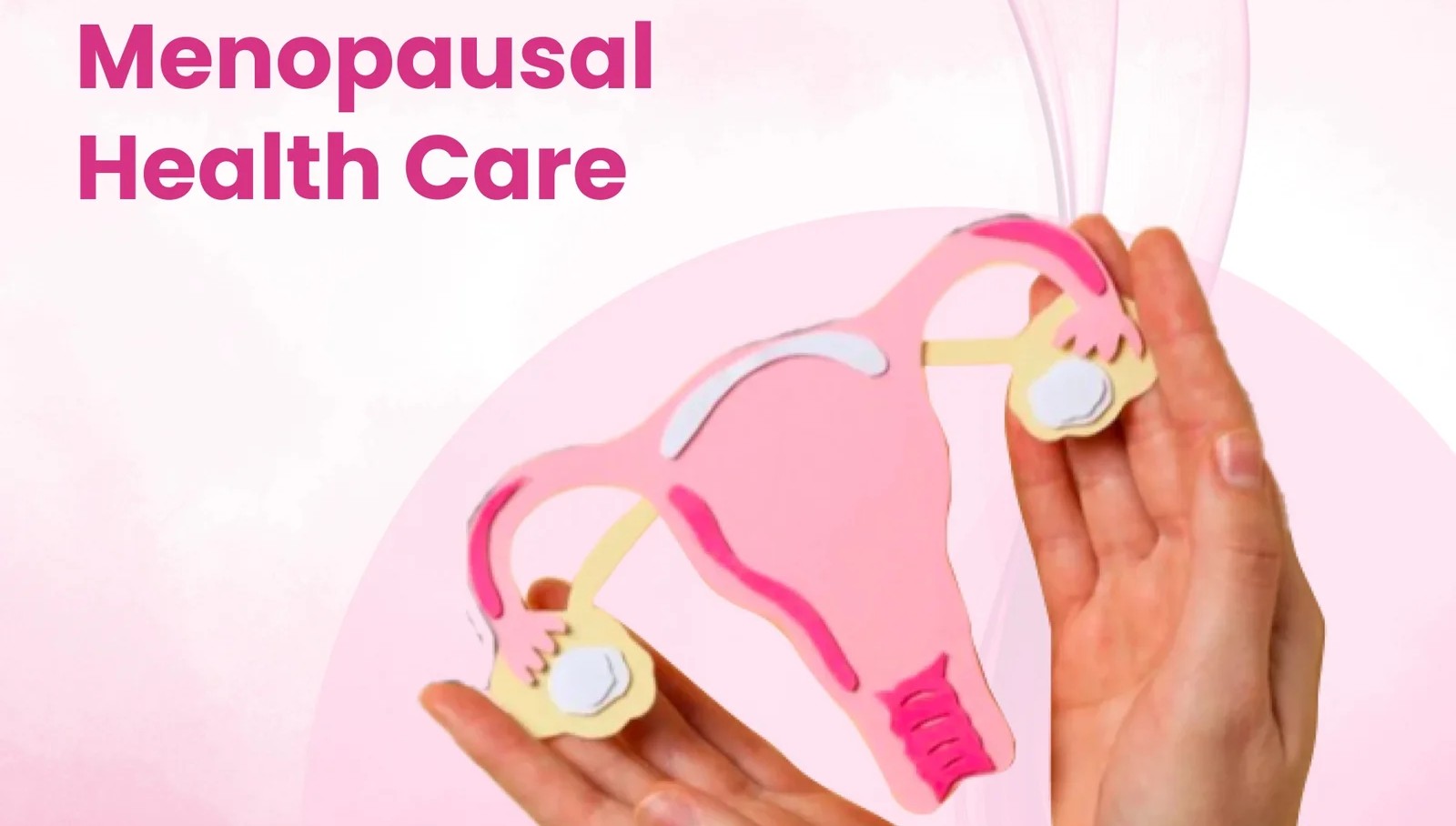
Menopause Care in Noida & Ghaziabad
Comprehensive Menopause Management for a Healthy and Comfortable Life
Menopause is a natural stage in a woman's life that marks the end of her menstrual cycles and reproductive years. It usually occurs between the ages of 45 and 55, although some women may experience it earlier or later. During this transition, hormonal changes can lead to symptoms such as hot flashes, night sweats, mood swings, sleep disturbances, and changes in bone and heart health.
If you are looking for menopause care in Noida and Ghaziabad, experienced gynecologists provide personalized care to help manage symptoms, improve overall well-being, and reduce the risk of long-term health complications.
What is Menopause?
Menopause is diagnosed when a woman has not had a menstrual period for 12 consecutive months without any other medical cause. It occurs because the ovaries gradually produce lower levels of estrogen and progesterone.
Menopause is a normal part of aging and is not a disease. However, the symptoms can vary widely from one woman to another and may require medical management.
Stages of Menopause
- Perimenopause – This is the transition period before menopause, during which hormone levels begin to fluctuate. Women may experience irregular periods and early menopausal symptoms.
- Menopause – Menopause is confirmed after 12 consecutive months without a menstrual period.
- Postmenopause – The years following menopause are known as postmenopause. While many symptoms improve over time, women become more susceptible to osteoporosis, heart disease, and certain metabolic conditions due to lower estrogen levels.
Common Symptoms of Menopause
Symptoms can range from mild to severe and may include:
- Irregular menstrual periods
- Hot flashes
- Night sweats
- Mood swings
- Anxiety or depression
- Sleep disturbances (Insomnia)
- Vaginal dryness
- Pain during sexual intercourse
- Decreased libido
- Fatigue
- Difficulty concentrating
- Memory problems
- Joint and muscle pain
- Weight gain
- Frequent urinary tract infections
- Urinary urgency or leakage
If these symptoms affect your daily life, consult a gynecologist for appropriate treatment.
Causes of Menopause
Menopause occurs naturally due to the gradual decline in ovarian hormone production. It may also occur earlier because of:
- Surgical removal of the ovaries
- Cancer treatments such as chemotherapy or radiation
- Premature ovarian insufficiency
- Certain autoimmune conditions
- Genetic factors
Women who experience menopause before the age of 40 should seek specialized medical evaluation.
Diagnosis of Menopause
Your gynecologist may recommend:
- Detailed medical history
- Physical and pelvic examination
- Blood tests (if required)
- Hormone level assessment
- Thyroid function tests
- Bone Mineral Density (BMD) scan for osteoporosis risk
- Blood sugar and cholesterol evaluation
- Pap smear and cervical cancer screening
- Breast examination and mammography (as recommended)
These evaluations help rule out other medical conditions and assess your overall health.
Menopause Care in Noida & Ghaziabad
Treatment is personalized based on your symptoms, medical history, and overall health.
-
Lifestyle Modifications
Healthy lifestyle habits can significantly reduce menopausal symptoms, including a balanced diet rich in calcium and vitamin D, regular exercise, maintaining a healthy body weight, yoga or meditation, staying hydrated, adequate sleep, avoiding smoking and excessive alcohol, and limiting caffeine and spicy foods if they trigger hot flashes.
-
Hormone Replacement Therapy (HRT)
For women with moderate to severe symptoms, Hormone Replacement Therapy may be recommended after evaluating the benefits and risks. HRT can help relieve hot flashes, night sweats, vaginal dryness, mood changes, and bone loss. Your gynecologist will determine whether HRT is suitable for you.
-
Non-Hormonal Treatments
Women who cannot take hormones may benefit from non-hormonal medications, vaginal moisturizers and lubricants, calcium and vitamin D supplements, osteoporosis prevention medications when indicated, and counseling for emotional well-being.
Long-Term Health After Menopause
Reduced estrogen levels can increase the risk of several health conditions, including osteoporosis, heart disease, high cholesterol, high blood pressure, type 2 diabetes, weight gain, and urinary incontinence.
Regular health screenings and preventive care are essential after menopause.
Tips for Healthy Menopause
To stay healthy during and after menopause:
- Attend regular gynecological check-ups
- Eat calcium-rich foods
- Stay physically active
- Perform weight-bearing exercises
- Protect your bone health
- Monitor blood pressure and cholesterol
- Maintain a healthy weight
- Manage stress effectively
- Continue routine breast and cervical cancer screenings
A proactive approach can help you enjoy an active and fulfilling life after menopause.
When Should You See a Gynecologist?
Consult your gynecologist if you experience:
- Severe hot flashes or night sweats
- Heavy or irregular bleeding after age 45
- Bleeding after menopause
- Persistent mood changes
- Severe vaginal dryness
- Pain during intercourse
- Frequent urinary infections
- Sleep problems affecting daily life
- Symptoms of osteoporosis such as fractures or significant height loss
Any bleeding after menopause should be evaluated promptly, as it may indicate an underlying medical condition.
Why Choose Menopause Care in Noida & Ghaziabad?
- Experienced gynecologists
- Comprehensive hormonal evaluation
- Bone health assessment
- Advanced diagnostic facilities
- Personalized treatment plans
- Preventive healthcare services
- Support for long-term wellness and symptom relief
Most women experience menopause between the ages of 45 and 55 years, with the average age being around 51 years.
No. Menopause is a natural phase of aging, but its symptoms may require treatment if they interfere with your daily life.
Hot flashes and night sweats are among the most common symptoms, although women may also experience mood changes, sleep disturbances, and vaginal dryness.
HRT is safe and effective for many women when prescribed appropriately. Your gynecologist will assess your medical history and discuss the potential benefits and risks before recommending treatment.
Yes. Pregnancy is still possible during perimenopause until menopause is confirmed. Appropriate contraception should be used if pregnancy is not desired.
Any vaginal bleeding after menopause is abnormal and should be evaluated by a gynecologist to rule out conditions such as endometrial polyps, fibroids, or endometrial cancer.
Dr. Anjana Singh
Our Services
Contact Info
Address
123 MG Road, Prayagraj, Uttar Pradesh, India
Phone
+91 98765 43210
care@womenshealth.com
Working Hours
Mon - Sat: 9:00 AM - 7:00 PM