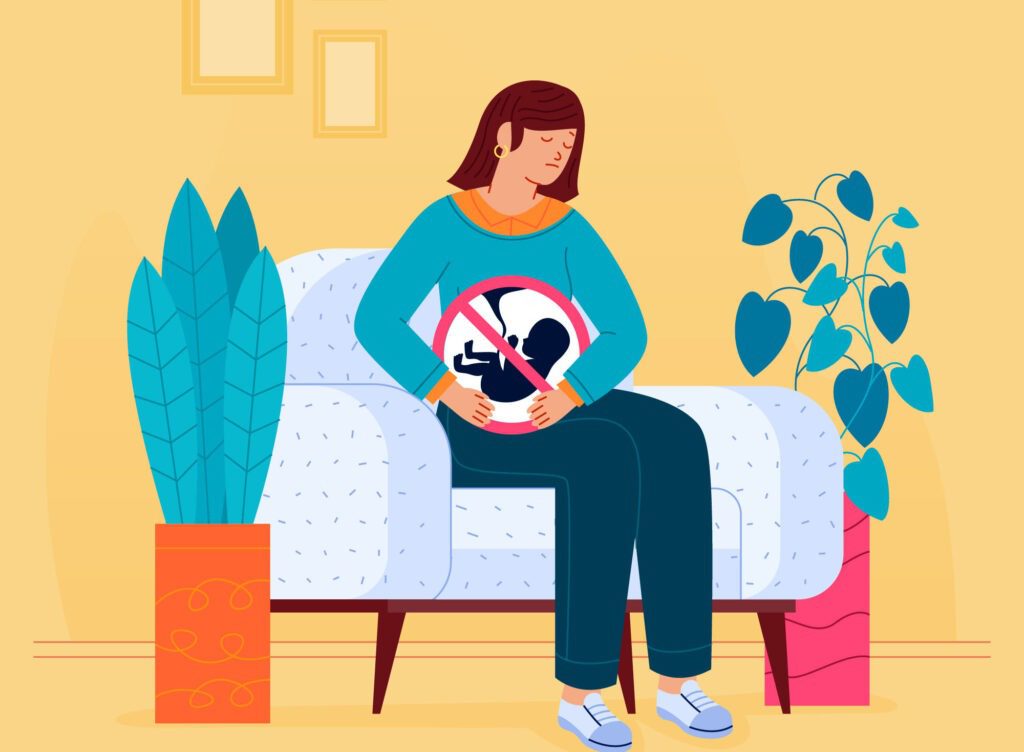
Recurrent Pregnancy Loss Treatment in Noida & Ghaziabad
Comprehensive Evaluation & Personalized Care to Support a Healthy Pregnancy
Recurrent Pregnancy Loss, also known as recurrent miscarriage, is the loss of two or more pregnancies before 20 weeks of gestation. While experiencing a miscarriage can be emotionally challenging, recurrent pregnancy loss often has an identifiable cause that can be diagnosed and treated. With early evaluation, advanced diagnostic testing, and personalized treatment, many couples can go on to have a healthy pregnancy.
If you are looking for Recurrent Pregnancy Loss treatment in Noida and Ghaziabad, experienced gynecologists and fertility specialists provide comprehensive investigations and evidence-based care to help identify the underlying cause and improve the chances of a successful pregnancy.
What is Recurrent Pregnancy Loss?
Recurrent Pregnancy Loss refers to the repeated loss of pregnancies before fetal viability. It is a complex condition that may result from genetic, hormonal, anatomical, immunological, or lifestyle-related factors. In some cases, no specific cause is identified despite thorough evaluation. A detailed assessment of both partners is often recommended because pregnancy outcomes can be influenced by factors affecting either partner.
Common Causes of Recurrent Pregnancy Loss
Several factors may contribute to recurrent miscarriage, including:
- Genetic Factors: Chromosomal abnormalities in one of the parents or the embryo are among the most common causes of recurrent pregnancy loss.
- Hormonal Disorders: Hormonal imbalances can affect early pregnancy, such as thyroid disorders, Polycystic Ovary Syndrome (PCOS), diabetes, progesterone deficiency in selected cases, and elevated prolactin levels.
- Uterine Abnormalities: Structural problems of the uterus may interfere with implantation or fetal development, including congenital uterine abnormalities, uterine septum, uterine fibroids, endometrial polyps, and intrauterine adhesions.
- Autoimmune Conditions: Certain autoimmune disorders, including Antiphospholipid Syndrome (APS), are associated with recurrent pregnancy loss and may require specific treatment.
- Blood Clotting Disorders: Inherited or acquired clotting disorders may increase the risk of miscarriage in some women.
- Lifestyle Factors: Certain lifestyle habits can negatively affect pregnancy outcomes, including smoking, excessive alcohol consumption, obesity, poorly controlled chronic medical conditions, and exposure to harmful environmental toxins.
Symptoms of Recurrent Pregnancy Loss
Symptoms may include:
- Two or more consecutive miscarriages
- Vaginal bleeding during pregnancy
- Abdominal cramping
- Loss of pregnancy symptoms
- Pelvic pain
Any bleeding or severe pain during pregnancy should be evaluated promptly by your healthcare provider.
Diagnosis of Recurrent Pregnancy Loss
A thorough evaluation may include:
Medical Assessment
- Detailed medical and pregnancy history
- Physical and pelvic examination
Blood Tests
- Hormonal evaluation
- Thyroid function tests
- Blood sugar testing
- Autoimmune testing, including Antiphospholipid Syndrome evaluation when indicated
- Selected clotting disorder investigations
Genetic Testing
- Parental chromosome analysis when appropriate
- Genetic testing of pregnancy tissue, if available and clinically indicated
Imaging Studies
- Pelvic ultrasound
- Transvaginal ultrasound
- Saline infusion sonography when indicated
- Hysteroscopy
- MRI in selected cases
Male Partner Evaluation
- Medical history
- Semen analysis and additional tests if clinically indicated
These investigations help identify treatable causes and guide future pregnancy planning.
Treatment for Recurrent Pregnancy Loss
Treatment depends on the underlying cause and is individualized for each couple.
Management of Hormonal Disorders
Conditions such as thyroid disease, diabetes, or PCOS should be carefully managed before and during pregnancy.
Treatment of Uterine Abnormalities
Minimally invasive procedures may be recommended to correct structural uterine problems such as a uterine septum, endometrial polyps, selected fibroids, and intrauterine adhesions.
Treatment for Antiphospholipid Syndrome
Women diagnosed with APS may require medications such as low-dose aspirin and blood-thinning therapy during pregnancy, as advised by their specialist.
Genetic Counseling
Couples with identified genetic abnormalities may benefit from genetic counseling and discussions about available reproductive options.
Lifestyle Modifications
Improving overall health can support a healthy pregnancy by:
- Maintaining a healthy weight
- Following a balanced diet
- Taking folic acid before conception
- Avoiding smoking and alcohol
- Managing stress
- Controlling chronic medical conditions
Fertility Treatments
In selected cases, assisted reproductive techniques such as IVF with additional genetic testing of embryos may be considered after specialist evaluation.
Preparing for a Healthy Pregnancy
Before trying to conceive again, your doctor may recommend preconception counseling, optimizing chronic medical conditions, taking prenatal vitamins with folic acid, achieving a healthy weight, reviewing current medications, and early pregnancy monitoring once conception occurs.
These steps can help improve maternal health and support a healthy pregnancy.
When Should You See a Fertility Specialist?
Consult a fertility specialist or gynecologist if you:
- Have experienced two or more pregnancy losses
- Have repeated miscarriages without a known cause
- Have irregular menstrual cycles or hormonal disorders
- Have uterine fibroids or uterine abnormalities
- Have autoimmune conditions or clotting disorders
- Have difficulty conceiving after miscarriage
Early evaluation allows timely diagnosis and targeted treatment.
Why Choose Recurrent Pregnancy Loss Treatment in Noida & Ghaziabad?
- Experienced gynecologists and fertility specialists
- Advanced diagnostic facilities
- Genetic counseling
- Minimally invasive surgical expertise
- Personalized pregnancy care
- A multidisciplinary approach focused on identifying the underlying cause, reducing future pregnancy risks, and supporting couples throughout their journey toward a healthy pregnancy
Recurrent pregnancy loss is generally defined as two or more pregnancy losses before 20 weeks of gestation. Your doctor may recommend evaluation after two miscarriages, particularly if other risk factors are present.
Yes. Many underlying causes, such as hormonal disorders, uterine abnormalities, or Antiphospholipid Syndrome, can be treated or managed to improve the chances of a successful pregnancy.
Many couples with recurrent pregnancy loss go on to have healthy pregnancies, especially after appropriate evaluation and treatment. The outlook depends on the underlying cause and individual circumstances.
Yes. A complete evaluation often includes both partners because genetic and male reproductive factors can contribute to pregnancy loss.
The timing depends on your physical recovery, emotional readiness, and the underlying cause of the pregnancy loss. Your fertility specialist will provide personalized guidance.
Healthy lifestyle habits, including maintaining a healthy weight, avoiding smoking and alcohol, taking folic acid, and managing chronic medical conditions, can support a healthy pregnancy and may reduce certain risks.

Dr. Anjana Singh
Our Services
Contact Info
Address
123 MG Road, Prayagraj, Uttar Pradesh, India
Phone
+91 98765 43210
care@womenshealth.com
Working Hours
Mon - Sat: 9:00 AM - 7:00 PM