Can Surgery Improve Fertility? Everything Women Need to Know
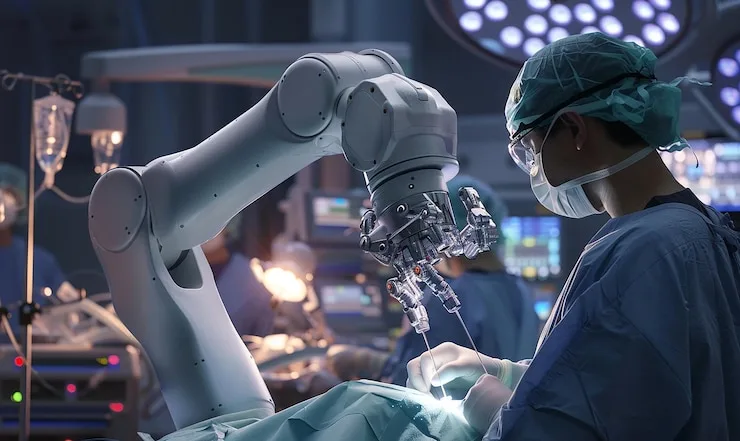
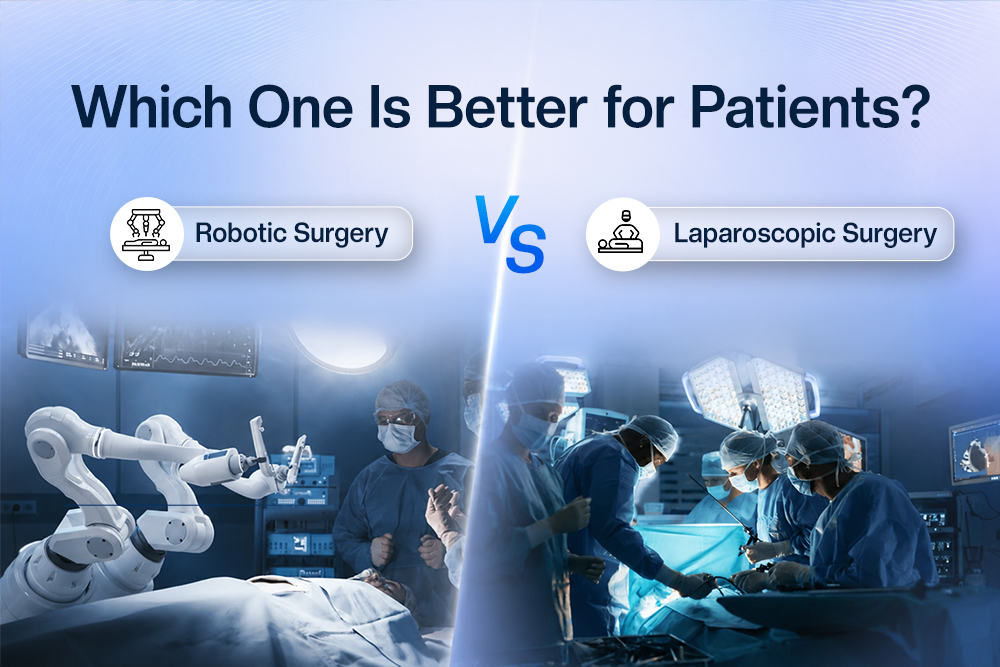
Infertility affects millions of women worldwide, but in many cases, the underlying cause can be treated successfully. When medications or lifestyle changes are not enough, fertility-enhancing gynecological surgery may help improve the chances of natural conception. Modern minimally invasive gynecological surgery, including laparoscopic and robotic-assisted surgery, has made fertility-preserving procedures safer, more effective, and associated with faster recovery.
Can Surgery Improve Fertility?
The answer depends on the underlying cause of infertility. Surgery does not treat every fertility problem, but it can significantly improve pregnancy outcomes when structural abnormalities in the reproductive organs are preventing conception. A thorough fertility evaluation by an experienced gynecologist or fertility specialist helps determine whether surgery is the right option.
Conditions That May Require Fertility Surgery
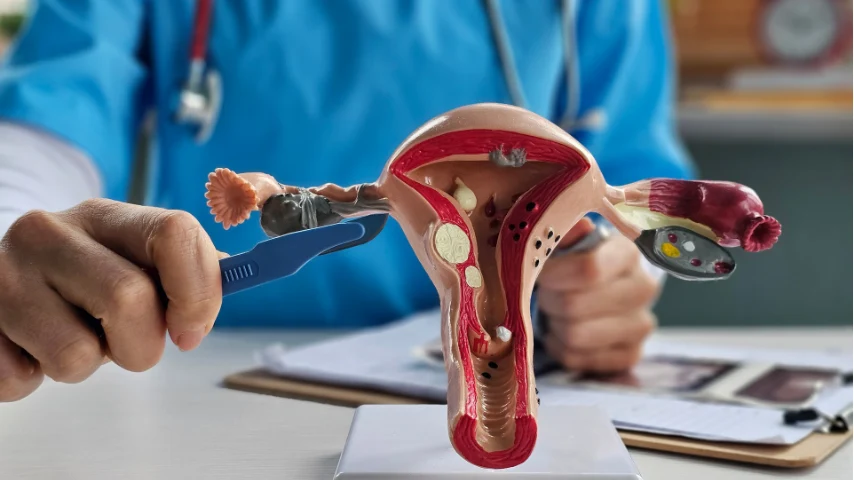
1. Uterine Fibroids
Large or strategically located uterine fibroids can interfere with implantation or block the fallopian tubes. A myomectomy removes fibroids while preserving the uterus, improving fertility for many women.
2. Endometriosis
Endometriosis is one of the leading causes of female infertility. Surgical removal of endometriosis tissue and adhesions can restore normal pelvic anatomy and improve the chances of conception, particularly in women with moderate to severe disease.
3. Ovarian Cysts
Certain ovarian cysts, especially endometriomas, may affect ovarian function and fertility. Minimally invasive surgery can remove these cysts while preserving healthy ovarian tissue whenever possible.
4. Blocked Fallopian Tubes
Blocked or damaged fallopian tubes prevent the egg and sperm from meeting. Depending on the location and severity of the blockage, tubal surgery may restore fertility in selected patients.
5. Uterine Polyps and Septum
Uterine polyps or a uterine septum can interfere with embryo implantation. Hysteroscopic surgery allows these abnormalities to be corrected without external incisions.
Benefits of Minimally Invasive Fertility Surgery
Modern laparoscopic and robotic gynecological surgery offers several advantages over traditional open surgery:
- Smaller incisions with minimal scarring
- Reduced blood loss
- Less postoperative pain
- Faster recovery
- Shorter hospital stay
- Lower risk of complications
- Better preservation of healthy reproductive tissues
These benefits allow many women to return to fertility treatment or attempt natural conception sooner.
Is Surgery Always Necessary?
No. Surgery is recommended only when it is likely to improve fertility outcomes. Factors such as age, ovarian reserve, partner fertility, duration of infertility, and the specific reproductive condition all influence the treatment plan. In some cases, assisted reproductive techniques such as IVF may be a better option.
When Should You See a Fertility Specialist?
You should consult a specialist if you have:
- Difficulty conceiving after 12 months of trying (or 6 months if over 35 years)
- Severe menstrual pain
- Heavy or irregular periods
- Known fibroids or ovarian cysts
- A history of pelvic infections
- Recurrent pregnancy loss
- Diagnosed endometriosis
Early diagnosis and treatment can significantly improve reproductive outcomes.
Conclusion
For many women, fertility-preserving gynecological surgery can address conditions such as fibroids, endometriosis, ovarian cysts, uterine abnormalities, and blocked fallopian tubes, improving the chances of a healthy pregnancy. Thanks to advances in laparoscopic and robotic surgery, these procedures are now more precise, less invasive, and associated with quicker recovery.
If you are struggling to conceive, consult an experienced gynecologist or fertility specialist to determine whether surgery could be an important step toward achieving your pregnancy goals.

Dr.Anjana Singh
Director – Obstetrics & Gynaecology | Fortis Hospital, Noida