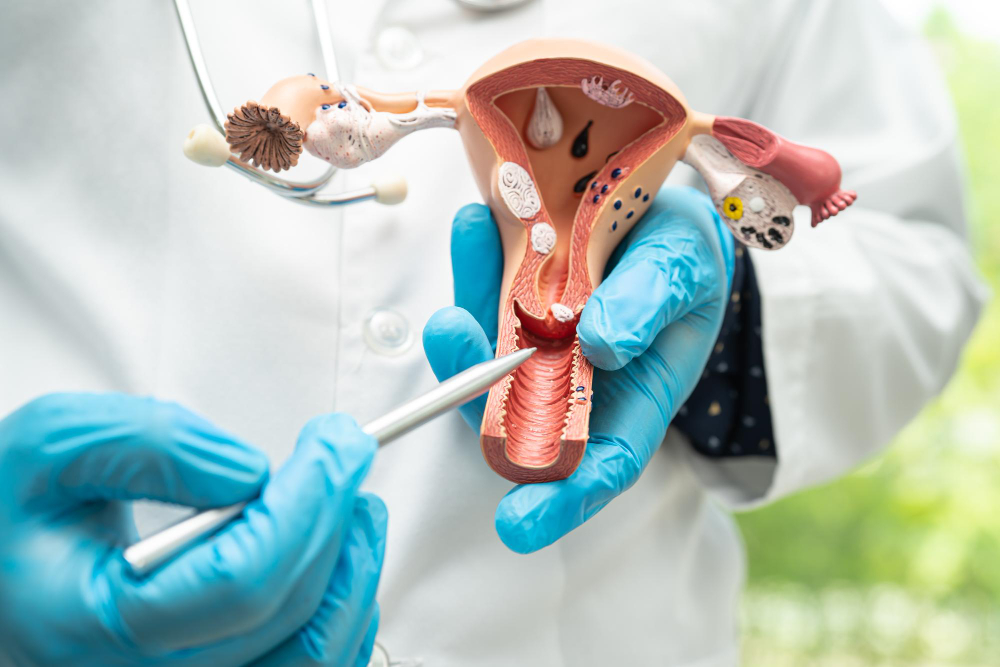
Cervical Cancer Screening in Noida & Ghaziabad
Early Detection, Timely Prevention & Comprehensive Women's Health Care
Cervical cancer is one of the most preventable types of cancer when detected early through regular screening. It develops in the cervix, the lower part of the uterus that connects to the vagina, and is most commonly caused by persistent infection with the Human Papillomavirus (HPV). Regular cervical cancer screening helps identify abnormal cervical cells before they become cancerous, allowing for timely treatment and significantly improving outcomes.
If you are looking for cervical cancer screening in Noida and Ghaziabad, experienced gynecologists provide advanced screening services, including Pap smear tests, HPV testing, colposcopy, and preventive care to protect your long-term reproductive health.
What is Cervical Cancer Screening?
Cervical cancer screening is a preventive test that checks for abnormal changes in the cells of the cervix. These changes can often be treated before they develop into cervical cancer.
Routine screening is recommended even if you have no symptoms because early cervical changes usually do not cause noticeable signs. Regular screening can greatly reduce the risk of developing cervical cancer.
Why is Cervical Cancer Screening Important?
Early screening helps to:
- Detect precancerous cervical cell changes
- Identify HPV infection before it causes complications
- Reduce the risk of cervical cancer
- Enable early treatment with better outcomes
- Protect long-term reproductive health
- Provide peace of mind through routine preventive care
Most cases of cervical cancer can be prevented with timely screening and appropriate follow-up.
Who Should Get Cervical Cancer Screening?
You should consider regular cervical cancer screening if you:
- Are between 21 and 65 years of age
- Are sexually active
- Have a history of HPV infection
- Have multiple sexual partners
- Smoke cigarettes
- Have a weakened immune system
- Have previously had abnormal Pap smear results
- Have a family history of cervical cancer
Your gynecologist will recommend the most appropriate screening schedule based on your age and medical history.
Common Screening Tests
-
Pap Smear (Pap Test)
A Pap smear is the most commonly performed screening test. It involves collecting a small sample of cells from the cervix to detect abnormal or precancerous changes.
-
HPV Test
The HPV test checks for high-risk strains of the Human Papillomavirus that are associated with cervical cancer. In many women aged 30 years and above, the Pap smear and HPV test may be performed together (co-testing) for more comprehensive screening.
-
Colposcopy
If screening results are abnormal, your doctor may recommend a colposcopy. This procedure uses a specialized magnifying instrument to closely examine the cervix and identify abnormal areas. A biopsy may be taken if necessary.
Symptoms That Should Not Be Ignored
Early cervical cancer often causes no symptoms. As the disease progresses, women may experience:
- Abnormal vaginal bleeding
- Bleeding after sexual intercourse
- Bleeding between menstrual periods
- Bleeding after menopause
- Unusual vaginal discharge
- Persistent pelvic pain
- Pain during sexual intercourse
These symptoms do not always indicate cervical cancer but should be evaluated promptly by a gynecologist.
Risk Factors for Cervical Cancer
Several factors increase the risk of cervical cancer, including:
- Persistent HPV infection
- Early onset of sexual activity
- Multiple sexual partners
- Smoking
- Weakened immune system
- Long-term use of oral contraceptives in some cases
- Sexually transmitted infections (STIs)
- Lack of regular cervical screening
Routine screening and HPV vaccination can significantly reduce the risk.
How is Cervical Cancer Screening Performed?
Cervical screening is a quick and simple outpatient procedure.
- You lie comfortably on an examination table.
- A speculum is gently inserted into the vagina to visualize the cervix.
- A small brush or spatula collects cervical cells.
- The sample is sent to a laboratory for analysis.
The procedure usually takes only a few minutes and causes minimal discomfort.
What Happens if the Results Are Abnormal?
An abnormal result does not necessarily mean you have cervical cancer.
Depending on the findings, your gynecologist may recommend repeat Pap smear after a specified interval, HPV DNA testing, colposcopy, cervical biopsy, removal of precancerous cervical tissue using appropriate procedures, and regular follow-up examinations.
Early treatment of abnormal cervical cells can prevent cervical cancer from developing.
HPV Vaccination
The HPV vaccine is one of the most effective ways to reduce the risk of cervical cancer. It protects against the most common high-risk HPV types responsible for cervical cancer and certain genital warts.
Vaccination is recommended for girls and boys before becoming sexually active, young adults who have not previously been vaccinated, and adults who may still benefit based on their doctor's advice. Even vaccinated women should continue regular cervical cancer screening.
Tips to Reduce Your Risk
To lower your risk of cervical cancer:
- Get regular Pap smear and HPV screening
- Receive the HPV vaccine if eligible
- Practice safe sex
- Avoid smoking
- Maintain good personal hygiene
- Follow your gynecologist's screening recommendations
- Attend routine women's health check-ups
Preventive care is the most effective strategy for reducing cervical cancer risk.
When Should You See a Gynecologist?
Consult your gynecologist if you experience:
- Bleeding after sexual intercourse
- Bleeding after menopause
- Persistent abnormal vaginal discharge
- Pelvic pain
- Irregular vaginal bleeding
- Previous abnormal Pap smear results
- Positive HPV test
- Missed routine cervical screening appointments
Early evaluation and timely treatment offer the best protection against cervical cancer.
Why Choose Cervical Cancer Screening in Noida & Ghaziabad?
- Experienced gynecologists
- Advanced Pap smear testing
- HPV screening
- Colposcopy services
- Comprehensive preventive women's healthcare
- Personalized screening plans and evidence-based care
Most women should begin cervical cancer screening at 21 years of age, even if they have no symptoms. Your gynecologist will recommend the appropriate schedule based on your age and health history.
The frequency depends on your age, previous test results, and whether HPV testing is performed. Your doctor will advise the most suitable screening interval.
A Pap smear is generally not painful. Some women may experience mild discomfort or slight pressure, but the procedure is quick and usually well tolerated.
Yes. Regular cervical cancer screening, HPV vaccination, safe sexual practices, and avoiding smoking can significantly reduce the risk of developing cervical cancer.
Yes. The HPV vaccine protects against many high-risk HPV types but does not prevent all causes of cervical cancer. Routine screening remains essential.
An abnormal result does not always mean cancer. Your gynecologist may recommend repeat testing, HPV testing, colposcopy, or a biopsy to determine the next steps.

Dr. Anjana Singh
Our Services
Contact Info
Address
123 MG Road, Prayagraj, Uttar Pradesh, India
Phone
+91 98765 43210
care@womenshealth.com
Working Hours
Mon - Sat: 9:00 AM - 7:00 PM