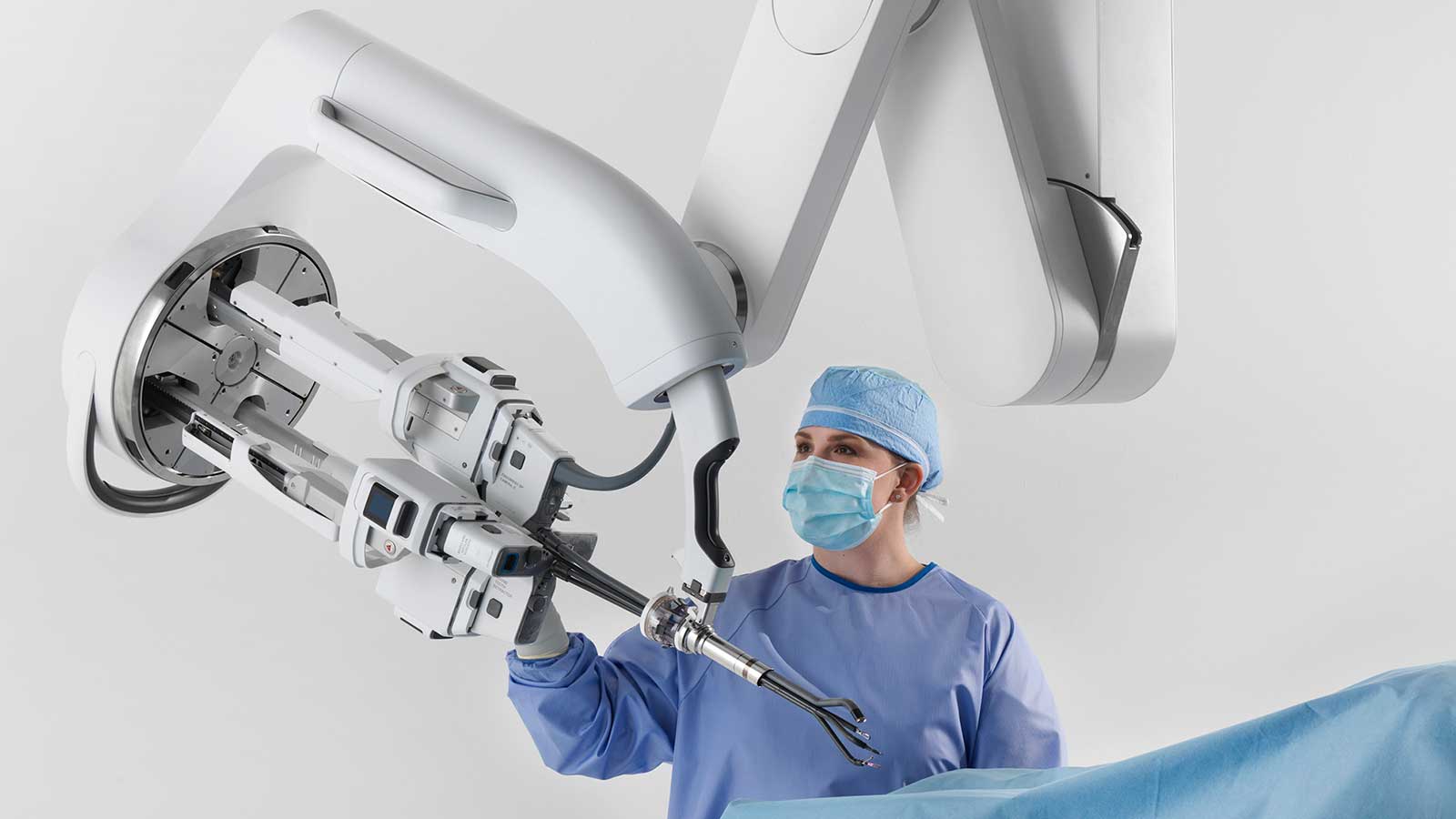
Single-Port Robotic Surgery in Noida & Ghaziabad
Advanced Minimally Invasive Gynecologic Surgery with a Single Small Incision
Single-Port Robotic Surgery is one of the latest advancements in minimally invasive gynecologic surgery. Unlike conventional robotic surgery, which uses multiple small incisions, this technique allows the surgeon to perform complex procedures through a single small incision, typically hidden within the belly button (umbilicus). The result is less postoperative pain, minimal scarring, faster recovery, and excellent cosmetic outcomes while maintaining the precision and safety of robotic-assisted surgery.
If you are looking for Single-Port Robotic Surgery in Noida and Ghaziabad, experienced gynecologic surgeons offer advanced robotic procedures using cutting-edge technology to treat a wide range of gynecological conditions with greater patient comfort and quicker recovery.
What is Single-Port Robotic Surgery?
Single-Port Robotic Surgery, also known as Single-Incision Robotic Surgery, is an advanced surgical technique in which robotic instruments and a high-definition camera are introduced through one small incision instead of several separate incisions.
The robotic system provides high-definition 3D visualization, enhanced precision and dexterity, improved access to difficult-to-reach areas, greater surgical control, and better preservation of healthy tissues. It is important to understand that the robotic system does not perform the surgery independently. Every movement is fully controlled by the surgeon.
Who Can Benefit from Single-Port Robotic Surgery?
Single-port robotic surgery may be recommended for carefully selected patients requiring treatment for:
- Uterine fibroids
- Ovarian cysts
- Endometriosis
- Adenomyosis
- Abnormal uterine bleeding
- Hysterectomy
- Pelvic organ prolapse in selected cases
- Fertility-preserving gynecologic procedures
- Selected gynecologic cancers, when appropriate
The suitability of this approach depends on your medical condition, body habitus, previous surgeries, and the complexity of the procedure. Your surgeon will determine whether you are an appropriate candidate.
Benefits of Single-Port Robotic Surgery
Compared with conventional open surgery and, in selected cases, multi-port minimally invasive surgery, single-port robotic surgery may offer:
- Only one small incision
- Minimal visible scarring
- Less postoperative pain
- Reduced blood loss
- Lower risk of infection
- Faster recovery
- Shorter hospital stay
- Earlier return to daily activities
- Improved cosmetic appearance
- High surgical precision
- Better visualization of pelvic organs
The exact benefits vary depending on the type of procedure and individual patient factors.
Conditions Treated with Single-Port Robotic Surgery
Depending on the patient's condition, single-port robotic surgery may be used for:
- Robotic Hysterectomy – Removal of the uterus through a single small incision when clinically appropriate.
- Robotic Myomectomy – Removal of uterine fibroids while preserving the uterus.
- Robotic Ovarian Cyst Surgery – Removal of ovarian cysts while protecting healthy ovarian tissue whenever possible.
- Endometriosis Surgery – Precise removal of endometriosis lesions and scar tissue.
- Pelvic Organ Prolapse Repair – Repair of weakened pelvic support structures in selected patients.
- Fertility-Preserving Procedures – Treatment of reproductive conditions while preserving fertility whenever medically feasible.
Your surgeon will recommend the most suitable surgical approach based on your diagnosis.
Symptoms That May Require Surgical Evaluation
Consult a gynecologist if you experience:
- Heavy menstrual bleeding
- Chronic pelvic pain
- Large uterine fibroids
- Persistent ovarian cysts
- Severe endometriosis symptoms
- Abnormal uterine bleeding
- Pelvic pressure
- Difficulty conceiving due to gynecological conditions
- Recurrent pelvic infections
Early evaluation allows timely treatment and more minimally invasive options.
Diagnosis Before Surgery
Before planning surgery, your gynecologist may recommend:
- Detailed medical history
- Physical and pelvic examination
- Pelvic ultrasound
- Transvaginal ultrasound
- MRI scan when indicated
- Blood investigations
- Pap smear if appropriate
- Endometrial biopsy when indicated
- Tumor marker tests for selected cases
- Pre-anesthesia evaluation
These investigations help determine whether single-port robotic surgery is appropriate for your condition.
How is Single-Port Robotic Surgery Performed?
The procedure is performed under general anesthesia.
- A single small incision is made, usually within the belly button.
- A specialized access port is inserted.
- A high-definition 3D camera and robotic instruments are introduced through the same incision.
- The surgeon performs the procedure with enhanced precision while viewing a magnified image of the surgical field.
- Once the procedure is completed, the instruments are removed and the incision is closed.
The duration of surgery depends on the condition being treated and the complexity of the procedure.
Recovery After Surgery
Recovery is generally faster than with traditional open surgery.
- Hospital stay of 1–2 days
- Walking within 24 hours
- Mild postoperative discomfort managed with medications
- Return to light daily activities within 1–2 weeks
- Complete recovery in approximately 3–6 weeks, depending on the procedure performed
Following your surgeon's postoperative instructions is essential for optimal healing.
Possible Risks
Although single-port robotic surgery is considered safe when performed by experienced surgeons, potential risks include:
- Bleeding
- Infection
- Injury to nearby organs such as the bladder, bowel, or ureters
- Blood clots
- Hernia at the incision site, rarely
- Need to add additional ports or convert to another surgical approach if required for safety
- Anesthesia-related complications
Your surgeon will discuss the risks and benefits based on your specific medical condition.
When Should You See a Gynecologist?
Consult a gynecologist if you have:
- Persistent pelvic pain
- Heavy or irregular menstrual bleeding
- Symptomatic fibroids
- Ovarian cysts requiring treatment
- Endometriosis
- Pelvic organ prolapse
- Difficulty becoming pregnant due to gynecological conditions
- Symptoms that interfere with your daily life
Early consultation can help determine whether minimally invasive robotic surgery is the right treatment option.
Why Choose Single-Port Robotic Surgery in Noida & Ghaziabad?
- Experienced robotic gynecologic surgeons
- Advanced robotic technology
- High-definition 3D imaging
- Minimally invasive surgical techniques
- Comprehensive postoperative care
- Personalized treatment plans
- Focus on excellent outcomes, less pain, faster recovery, and minimal scarring
Single-port robotic surgery uses one small incision, while conventional robotic surgery typically requires multiple small incisions. The most suitable approach depends on the procedure and the patient's individual condition.
Yes. When performed by an experienced robotic gynecologic surgeon in appropriately selected patients, single-port robotic surgery is considered safe and effective.
The incision is usually made within or near the belly button, making the scar less noticeable after healing.
Many patients experience less pain and a quicker recovery compared with traditional open surgery. Recovery time varies depending on the type of surgery performed and individual health factors.
No. This technique is suitable only for selected patients and procedures. Your surgeon will determine the safest and most effective surgical approach for your condition.
No. The robotic system is entirely controlled by the surgeon and serves as an advanced tool to enhance precision, visualization, and surgical control.

Dr.Anjana Singh
Our Services
- Robotic Hysterectomy
- Robotic Myomectomy (Fibroid Surgery)
- Robotic Endometriosis Surgery
- Robotic Ovarian Cyst Surgery
- Robotic Pelvic Organ Prolapse Repair
- Robotic Cancer Surgery
- Robotic Fertility-Preserving Surgery
- Single-Port Robotic Surgery
- Why Choose Robotic Surgery?
- Recovery After Robotic Surgery
Contact Info
Address
123 MG Road, Prayagraj, Uttar Pradesh, India
Phone
+91 98765 43210
care@womenshealth.com
Working Hours
Mon - Sat: 9:00 AM - 7:00 PM