PCOS / PCOD Treatment in Noida & Ghaziabad
Expert Diagnosis, Personalized Treatment & Hormonal Health Care
Polycystic Ovary Syndrome (PCOS) and Polycystic Ovarian Disease (PCOD) are among the most common hormonal disorders affecting women of reproductive age. These conditions can cause irregular periods, weight gain, acne, excessive hair growth, and fertility issues if left untreated. Although PCOS and PCOD are often used interchangeably, they differ slightly in severity, but both require proper medical evaluation and long-term management.
If you are looking for PCOS/PCOD treatment in Noida and Ghaziabad, experienced gynecologists offer personalized care using advanced diagnostic techniques, lifestyle management, medication, and fertility-focused treatments to help restore hormonal balance and improve reproductive health.
What is PCOS / PCOD?
PCOD is a condition in which the ovaries produce multiple immature or partially mature eggs that develop into small cysts. This can lead to irregular ovulation and hormonal imbalance.
PCOS is a more complex endocrine disorder characterized by hormonal imbalance, irregular ovulation, and elevated levels of male hormones (androgens). It can affect menstrual health, fertility, metabolism, and overall well-being. Early diagnosis and treatment can help prevent long-term health complications.
Difference Between PCOS and PCOD
Although both conditions affect the ovaries, there are some key differences:
- PCOD: Ovaries release immature eggs that become cysts, usually milder, ovulation may still occur, lifestyle changes are often effective, and fertility is usually less affected.
- PCOS: A hormonal disorder affecting ovulation and metabolism, often more severe, ovulation is often absent or irregular, may require long-term medical management, and fertility issues are more common.
A gynecologist can accurately diagnose the condition and recommend the appropriate treatment.
Common Symptoms of PCOS / PCOD
Symptoms vary from woman to woman and may include:
- Irregular or missed periods
- Heavy or prolonged menstrual bleeding
- Difficulty conceiving
- Weight gain, especially around the abdomen
- Acne or oily skin
- Excess facial or body hair (Hirsutism)
- Hair thinning or hair loss
- Dark patches on the neck or underarms (Acanthosis Nigricans)
- Mood changes
- Fatigue
- Pelvic discomfort
Not every woman with PCOS or PCOD experiences all these symptoms.
Causes and Risk Factors
The exact cause of PCOS and PCOD is unknown, but several factors contribute, including:
- Hormonal imbalance
- Insulin resistance
- Family history
- Genetic factors
- Obesity or excess weight
- Chronic inflammation
- Sedentary lifestyle
Women with a family history of PCOS are at a higher risk of developing the condition.
Diagnosis of PCOS / PCOD
Your gynecologist may recommend the following investigations:
- Detailed medical history
- Physical examination
- Pelvic examination
- Pelvic ultrasound
- Hormonal blood tests
- Blood sugar testing
- Insulin level assessment
- Lipid profile
- Thyroid function tests
Early diagnosis helps create a personalized treatment plan based on your symptoms and future pregnancy goals.
PCOS / PCOD Treatment in Noida & Ghaziabad
Treatment depends on your age, symptoms, weight, and whether you are planning a pregnancy.
-
Lifestyle Modifications
Lifestyle changes are the first line of treatment and may include a healthy, balanced diet, regular physical activity, weight management, stress reduction, adequate sleep, and limiting processed foods and sugary drinks. Even modest weight loss can improve hormonal balance and restore regular ovulation in many women.
-
Medications
Depending on your condition, treatment may include hormonal medications to regulate menstrual cycles, medicines to improve insulin sensitivity, ovulation-inducing medications for women planning pregnancy, acne treatment, medications to reduce excessive hair growth, and vitamin and nutritional supplements when needed. Always take medications under the guidance of a qualified gynecologist.
-
Fertility Treatment
If PCOS is affecting your ability to conceive, fertility-focused care may include ovulation induction, follicular monitoring, intrauterine insemination (IUI) for selected cases, and in vitro fertilization (IVF) when indicated. Your treatment plan will be tailored to maximize your chances of achieving a healthy pregnancy.
Possible Complications of Untreated PCOS
Without proper management, PCOS can increase the risk of infertility, type 2 diabetes, high blood pressure, high cholesterol, heart disease, sleep apnea, endometrial hyperplasia, endometrial cancer, pregnancy complications, anxiety, and depression.
Regular follow-ups and healthy lifestyle habits can significantly reduce these risks.
Can PCOS / PCOD Be Prevented?
While PCOS cannot always be prevented, maintaining a healthy lifestyle can help manage symptoms and reduce complications.
- Maintaining a healthy weight
- Regular exercise
- Eating a nutritious, low-glycemic diet
- Managing stress
- Getting adequate sleep
- Regular gynecological check-ups
Early intervention is key to better long-term health outcomes.
When Should You See a Gynecologist?
Consult a gynecologist if you experience:
- Irregular or absent periods
- Difficulty becoming pregnant
- Rapid weight gain
- Persistent acne after adolescence
- Excessive facial or body hair
- Hair thinning
- Pelvic pain
- Heavy or prolonged menstrual bleeding
Prompt diagnosis can help prevent complications and improve reproductive health.
Why Choose PCOS / PCOD Treatment in Noida & Ghaziabad?
- Experienced gynecologists
- Advanced diagnostic facilities
- Personalized hormonal therapy
- Nutrition counseling and weight management support
- Fertility services for conception planning
- Long-term follow-up to reduce complications
No. Although they share similar symptoms, PCOS is a hormonal and metabolic disorder, while PCOD is primarily an ovarian condition. Both require medical evaluation and appropriate treatment.
Yes. Many women with PCOS conceive naturally or with fertility treatments such as ovulation induction, IUI, or IVF.
PCOS is a long-term condition that cannot be permanently cured, but its symptoms can be effectively managed with lifestyle changes, medications, and regular medical care.
Yes. Losing even 5–10% of body weight can improve hormone balance, regulate menstrual cycles, and increase the chances of ovulation and pregnancy.
Yes. Women with PCOS are at a higher risk of developing insulin resistance and type 2 diabetes, making regular monitoring important.
Regular follow-up visits, usually every 3–6 months or as advised by your doctor, help monitor symptoms, adjust treatment, and reduce the risk of complications.
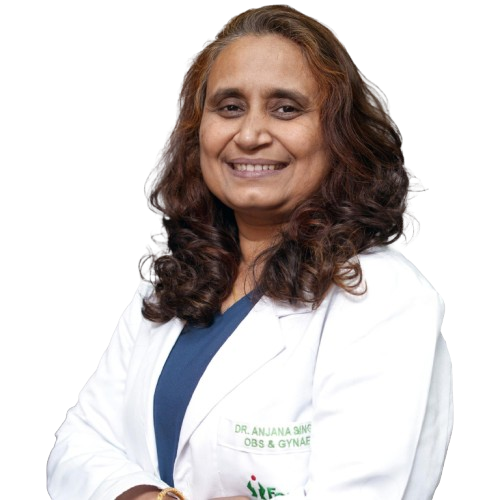
Dr. Anjana Singh
Our Services
Contact Info
Address
123 MG Road, Prayagraj, Uttar Pradesh, India
Phone
+91 98765 43210
care@womenshealth.com
Working Hours
Mon - Sat: 9:00 AM - 7:00 PM