How Robotic Gynecological Surgery is Transforming Women's Healthcare
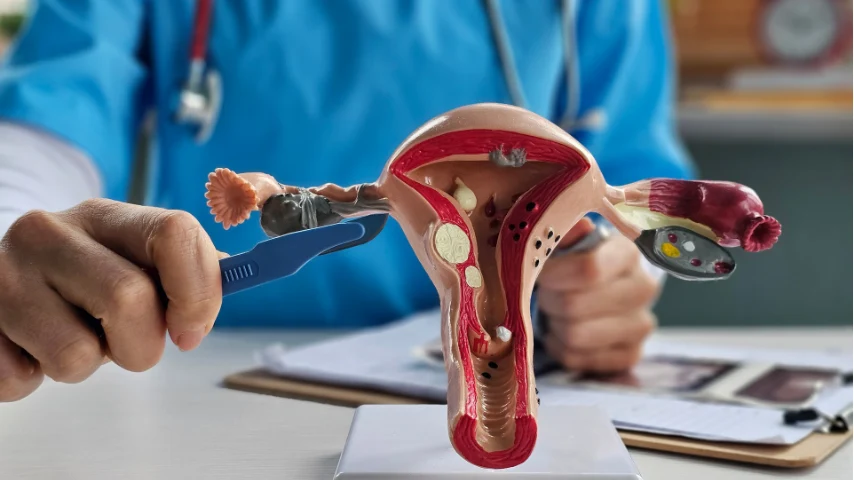
Robotic gynecological surgery has revolutionized the way complex gynecological conditions are treated. As an advanced form of minimally invasive gynecological surgery, robotic-assisted procedures offer greater precision, enhanced safety, and faster recovery compared to traditional open surgery. Today, many women are choosing robotic gynecological surgery for conditions such as uterine fibroids, endometriosis, ovarian cysts, hysterectomy, and certain gynecological cancers.
What is Robotic Gynecological Surgery?
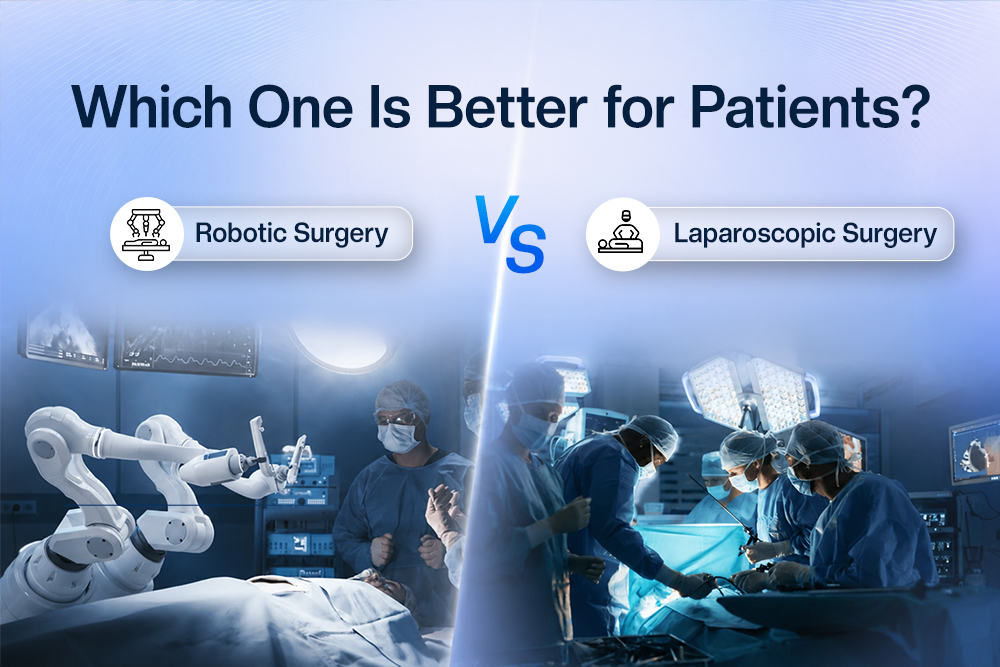
Robotic gynecological surgery is performed using a sophisticated robotic system that is fully controlled by an experienced gynecologist. The robotic arms replicate the surgeon's hand movements with exceptional precision while providing a high-definition 3D view of the surgical area. This enables surgeons to perform delicate procedures through small incisions, reducing trauma to healthy tissues.
Benefits of Robotic Gynecological Surgery
The growing popularity of robotic-assisted gynecological surgery is due to its numerous patient benefits, including:
- Smaller incisions with minimal scarring
- Less blood loss during surgery
- Reduced postoperative pain
- Lower risk of infection and complications
- Shorter hospital stay
- Faster recovery and return to normal activities
- Improved surgical precision for complex procedures
These advantages make robotic surgery an excellent treatment option for women seeking safer and more effective gynecological care.
Conditions Treated with Robotic Gynecological Surgery
A skilled robotic gynecologist can treat a wide range of conditions, including:
- Uterine fibroids
- Endometriosis
- Ovarian cysts
- Adenomyosis
- Pelvic organ prolapse
- Abnormal uterine bleeding
- Robotic hysterectomy
- Gynecological cancers, including cervical and uterine cancer
The suitability of robotic surgery depends on the patient's medical condition and clinical evaluation.
Why Choose Robotic Gynecological Surgery?
Compared to conventional surgery, robotic gynecological surgery offers enhanced visualization and superior instrument control, allowing surgeons to perform highly precise procedures while preserving surrounding healthy tissues. Patients often experience quicker healing, reduced discomfort, and improved cosmetic outcomes, making it one of the preferred options in modern women's healthcare.
Conclusion
Advancements in robotic gynecological surgery are transforming women's healthcare by providing minimally invasive, safe, and highly effective treatment options. Whether you require a robotic hysterectomy, treatment for uterine fibroids, endometriosis surgery, or management of other complex gynecological conditions, robotic-assisted surgery can help improve outcomes and enhance recovery.
If you are experiencing persistent gynecological symptoms, consult an experienced robotic gynecologist to determine whether robotic surgery is the right treatment option for you.

Dr.Anjana Singh
Director – Obstetrics & Gynaecology | Fortis Hospital, Noida