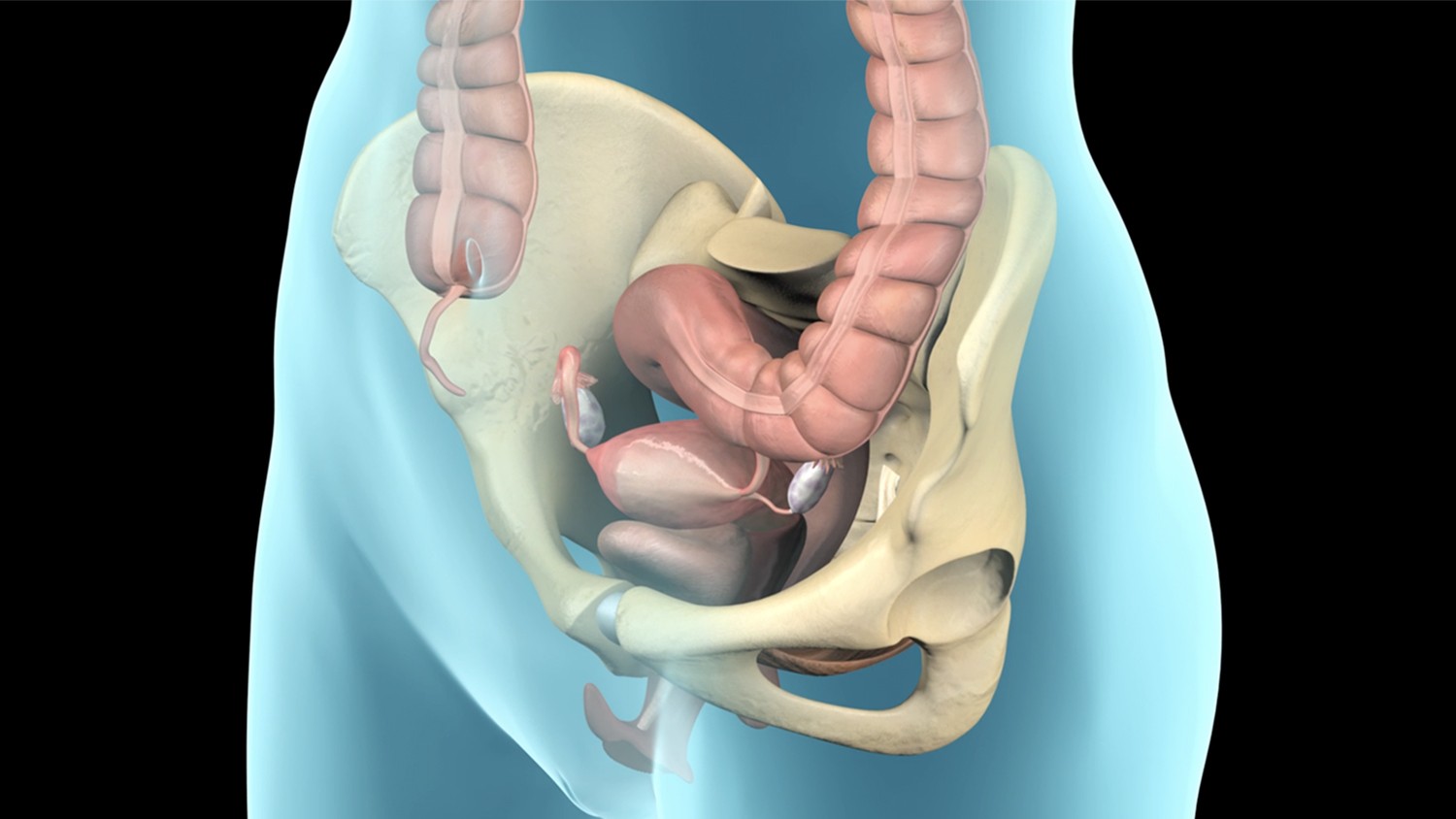
Robotic Pelvic Organ Prolapse Repair in Noida & Ghaziabad
Advanced Minimally Invasive Surgery for Long-Lasting Pelvic Support
Robotic Pelvic Organ Prolapse (POP) Repair is an advanced minimally invasive surgical procedure used to restore the normal position of pelvic organs that have descended due to weakened pelvic floor muscles and supporting tissues. By combining robotic technology with the expertise of a gynecologic surgeon, this procedure offers exceptional precision, smaller incisions, less pain, faster recovery, and improved long-term outcomes.
If you are looking for Robotic Pelvic Organ Prolapse Repair in Noida and Ghaziabad, experienced urogynecologists and gynecologic surgeons provide personalized treatment using the latest robotic-assisted techniques to restore pelvic support, improve bladder and bowel function, and enhance your quality of life.
What is Pelvic Organ Prolapse?
Pelvic organ prolapse occurs when the muscles and ligaments that support the pelvic organs become weak or stretched. As a result, one or more pelvic organs may descend into or outside the vaginal canal.
The condition is common after childbirth and menopause but can also occur due to aging, obesity, chronic constipation, or previous pelvic surgery. Although pelvic organ prolapse is not usually life-threatening, it can significantly affect comfort, mobility, urinary function, bowel function, and sexual health.
Types of Pelvic Organ Prolapse
Pelvic organ prolapse can affect different pelvic organs, including:
- Uterine Prolapse – The uterus descends into the vagina.
- Cystocele (Anterior Prolapse) – The bladder bulges into the front wall of the vagina.
- Rectocele (Posterior Prolapse) – The rectum pushes into the back wall of the vagina.
- Enterocele – The small intestine bulges into the upper vaginal wall.
- Vaginal Vault Prolapse – The top of the vagina descends after a hysterectomy.
Some women may experience more than one type of prolapse at the same time.
Who May Need Robotic Pelvic Organ Prolapse Repair?
Your gynecologist may recommend robotic surgery if you have:
- Moderate to severe pelvic organ prolapse
- A noticeable vaginal bulge
- Pelvic pressure or heaviness
- Difficulty emptying the bladder
- Frequent urinary leakage
- Difficulty with bowel movements
- Recurrence after previous prolapse surgery
- Symptoms affecting your daily activities and quality of life
Women with mild prolapse may be treated successfully with pelvic floor exercises or pessary therapy without surgery.
Symptoms of Pelvic Organ Prolapse
Common symptoms include:
- A bulge or lump in the vagina
- Feeling of pelvic heaviness or pressure
- Lower back pain
- Urinary leakage
- Difficulty emptying the bladder
- Frequent urination
- Constipation
- Difficulty passing stool
- Pain during sexual intercourse
- Feeling that something is "falling out" of the vagina
Symptoms often become more noticeable after standing for long periods or physical activity.
Benefits of Robotic Pelvic Organ Prolapse Repair
Compared with traditional open surgery, robotic-assisted prolapse repair offers several advantages:
- Smaller incisions
- High-definition 3D visualization
- Greater surgical precision
- Better preservation of surrounding tissues
- Less postoperative pain
- Minimal blood loss
- Lower risk of infection
- Reduced scarring
- Shorter hospital stay
- Faster recovery
- Improved long-term pelvic support
These benefits make robotic surgery an excellent option for eligible patients requiring prolapse repair.
Diagnosis Before Surgery
Your gynecologist may perform:
- Detailed medical history
- Physical and pelvic examination
- Pelvic Organ Prolapse Quantification (POP-Q) assessment
- Urine analysis
- Pelvic ultrasound
- Urodynamic testing when indicated
- MRI in selected cases
- Cystoscopy if bladder involvement is suspected
- Pre-anesthesia evaluation
A comprehensive evaluation helps determine the severity of prolapse and the most appropriate surgical approach.
How is Robotic Pelvic Organ Prolapse Repair Performed?
The surgery is performed under general anesthesia.
- Small incisions are made in the abdomen.
- A high-definition 3D camera provides a detailed view of the pelvic organs.
- Robotic surgical instruments are inserted through the incisions.
- The prolapsed organs are repositioned to their normal anatomical position.
- The weakened pelvic support structures are repaired or reinforced. In selected cases, a surgical mesh may be used when clinically appropriate and after thorough discussion with the patient.
- The incisions are closed with sutures.
The procedure usually takes 2 to 4 hours, depending on the complexity of the prolapse.
Recovery After Surgery
Recovery is generally quicker than with traditional open surgery.
- Hospital stay of 1–2 days
- Walking within 24 hours
- Mild postoperative discomfort controlled with medications
- Return to light daily activities within 2–3 weeks
- Full recovery in approximately 4–6 weeks
Patients are advised to avoid heavy lifting and strenuous activities during the recovery period to allow proper healing.
Life After Robotic Prolapse Repair
Most women experience significant improvement in:
- Pelvic pressure and heaviness
- Bladder control
- Bowel function
- Physical activity
- Comfort during daily activities
- Sexual function when appropriate
Maintaining a healthy weight, treating constipation, and performing pelvic floor exercises may help reduce the risk of recurrence.
Possible Risks
Although robotic prolapse repair is considered safe, potential risks include:
- Bleeding
- Infection
- Injury to nearby organs such as the bladder, bowel, or ureters
- Blood clots
- Recurrence of prolapse
- Urinary symptoms after surgery
- Rare need for conversion to open surgery
- Anesthesia-related complications
Your surgeon will discuss these risks and the expected benefits before the procedure.
When Should You See a Gynecologist?
Consult your gynecologist if you experience:
- A vaginal bulge or protrusion
- Persistent pelvic pressure
- Urinary leakage or difficulty urinating
- Constipation related to prolapse
- Pain during sexual intercourse
- Symptoms interfering with daily activities
- Recurrence of prolapse after previous treatment
Early diagnosis allows more treatment options and can help prevent worsening of symptoms.
Why Choose Robotic Pelvic Organ Prolapse Repair in Noida & Ghaziabad?
- Experienced urogynecologists and gynecologic surgeons
- Advanced robotic surgical systems
- High-definition 3D imaging
- Minimally invasive techniques
- Comprehensive postoperative rehabilitation
- Personalized treatment plans
- Focus on restoring pelvic anatomy and pelvic function
For many women, yes. Robotic surgery generally offers smaller incisions, less pain, reduced blood loss, shorter hospital stays, and quicker recovery compared to traditional open surgery.
Robotic surgery has high success rates, but no procedure can guarantee that prolapse will never recur. Maintaining a healthy lifestyle and following postoperative advice can help reduce the risk of recurrence.
No. The use of mesh depends on the type of prolapse, the surgical approach, and your individual condition. Your surgeon will discuss the available options, benefits, and potential risks before surgery.
Most women resume light daily activities within 2–3 weeks, while complete recovery generally takes 4–6 weeks.
Yes. Although recurrence is uncommon, it can occur. Factors such as aging, chronic constipation, obesity, and future pregnancies may increase the risk.
Many women can return to desk-based work within 2–4 weeks, while physically demanding jobs may require a longer recovery period based on the surgeon's advice.

Dr.Anjana Singh
Our Services
- Robotic Hysterectomy
- Robotic Myomectomy (Fibroid Surgery)
- Robotic Endometriosis Surgery
- Robotic Ovarian Cyst Surgery
- Robotic Pelvic Organ Prolapse Repair
- Robotic Cancer Surgery
- Robotic Fertility-Preserving Surgery
- Single-Port Robotic Surgery
- Why Choose Robotic Surgery?
- Recovery After Robotic Surgery
Contact Info
Address
123 MG Road, Prayagraj, Uttar Pradesh, India
Phone
+91 98765 43210
care@womenshealth.com
Working Hours
Mon - Sat: 9:00 AM - 7:00 PM