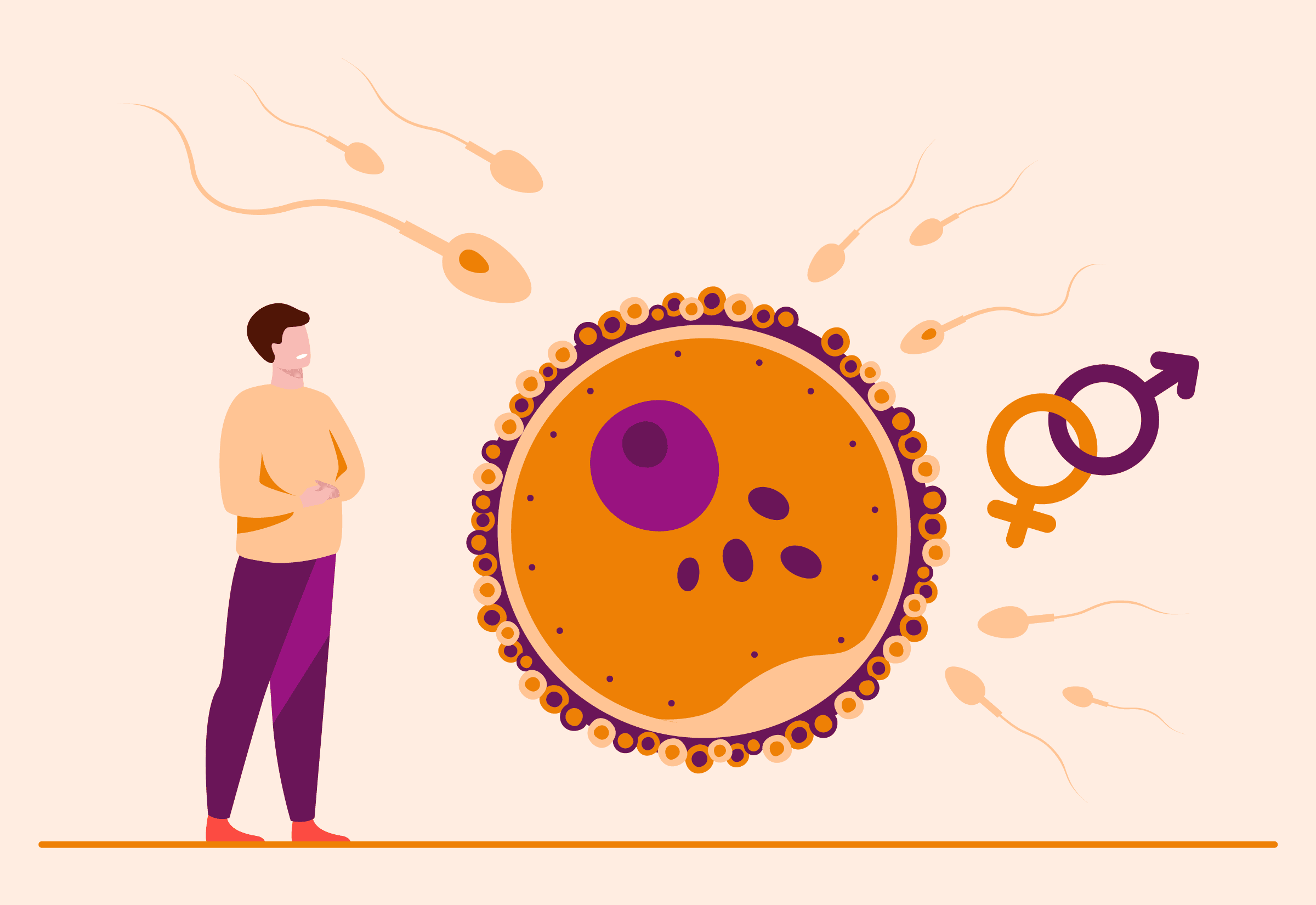
Male Infertility Treatment in Noida & Ghaziabad
Advanced Diagnosis & Personalized Care to Improve Male Fertility
Male infertility is a condition in which a man has difficulty contributing to conception due to problems with sperm production, sperm quality, sperm delivery, or overall reproductive health. Male factors contribute to nearly 40–50% of infertility cases, making evaluation of both partners essential when a couple is unable to conceive.
If you are looking for male infertility treatment in Noida and Ghaziabad, experienced fertility specialists, urologists, and reproductive medicine experts offer comprehensive fertility evaluations and personalized treatment plans to help improve the chances of natural conception or assisted pregnancy.
What is Male Infertility?
Male infertility is diagnosed when pregnancy has not occurred after 12 months of regular, unprotected intercourse, or after 6 months if the female partner is over 35 years of age, and investigations reveal one or more male reproductive factors.
Healthy fertility depends on normal sperm production, good sperm count, healthy sperm movement, normal sperm shape, proper sperm transport through the reproductive tract, and balanced hormone levels. Any problem affecting these factors can reduce fertility.
- Common Causes of Male Infertility:
Several medical and lifestyle factors can affect male fertility. - Low Sperm Count:
A reduced number of sperm decreases the likelihood of fertilization. - Poor Sperm Motility:
Sperm may not swim effectively to reach and fertilize the egg. - Abnormal Sperm Morphology:
Abnormally shaped sperm may have difficulty fertilizing an egg. - Varicocele:
An enlargement of veins within the scrotum and is one of the most common treatable causes of male infertility. - Hormonal Disorders:
Hormonal imbalances affecting testosterone or other reproductive hormones can interfere with sperm production. - Infections:
Certain infections involving the reproductive tract may affect sperm production or block sperm transport. - Genetic Conditions:
Some inherited conditions can impair sperm production or reproductive function. - Ejaculatory Disorders:
Problems such as retrograde ejaculation or obstruction of the reproductive tract may prevent sperm from reaching the semen. - Lifestyle Factors:
Health habits that may reduce fertility include:- Smoking
- Excessive alcohol consumption
- Recreational drug use
- Poor nutrition
- Obesity
- Chronic stress
- Exposure to environmental toxins or excessive heat
Symptoms of Male Infertility
Many men have no obvious symptoms other than difficulty achieving pregnancy. However, some may experience:
- Difficulty conceiving
- Reduced sexual desire
- Erectile dysfunction
- Ejaculation problems
- Testicular pain or swelling
- Small or firm testicles
- Hormonal symptoms such as reduced body hair
- History of undescended testicles or previous reproductive surgery
If pregnancy does not occur despite regular unprotected intercourse, both partners should undergo evaluation.
Diagnosis of Male Infertility
A fertility specialist may recommend:
- Detailed medical history
- Physical examination
- Semen analysis
- Repeat semen analysis if required
- Hormonal blood tests
- Scrotal ultrasound
- Doppler ultrasound for varicocele
- Genetic testing in selected cases
- Urine analysis
- Infection screening
- Sperm DNA fragmentation testing when indicated
A thorough evaluation helps identify the underlying cause and determine the most effective treatment.
Male Infertility Treatment in Noida & Ghaziabad
Treatment depends on the underlying cause and the severity of infertility.
Lifestyle Modifications
Healthy lifestyle changes may improve fertility by:
- Maintaining a healthy weight
- Eating a balanced diet
- Exercising regularly
- Quitting smoking
- Limiting alcohol intake
- Managing stress
- Avoiding excessive heat exposure to the testicles
Medications
Certain medications may be prescribed to correct hormonal imbalances, treat infections, or improve sperm production in selected cases. Treatment is individualized based on the diagnosis.
Varicocele Treatment
For men with clinically significant varicocele, surgical repair (varicocelectomy) may improve semen quality in appropriate cases.
Surgical Treatment
Surgery may be recommended for obstructive causes of infertility, sperm retrieval procedures for assisted reproduction, or correction of reproductive tract abnormalities.
Assisted Reproductive Techniques (ART)
When natural conception is difficult, fertility specialists may recommend:
- Intrauterine Insemination (IUI)
- In Vitro Fertilization (IVF)
- Intracytoplasmic Sperm Injection (ICSI)
- Surgical sperm retrieval procedures when required
The most appropriate treatment depends on both male and female fertility factors.
Tips to Improve Male Fertility
To support healthy sperm production:
- Eat a nutritious diet rich in fruits and vegetables
- Maintain a healthy body weight
- Exercise regularly
- Avoid smoking and recreational drugs
- Limit alcohol consumption
- Get adequate sleep
- Manage stress effectively
- Avoid prolonged exposure to excessive heat
- Control chronic medical conditions such as diabetes
Healthy lifestyle choices can positively influence reproductive health.
When Should You Consult a Fertility Specialist?
You should seek medical evaluation if:
- Pregnancy has not occurred after one year of regular unprotected intercourse.
- Your partner is over 35 years of age and pregnancy has not occurred after six months.
- You have abnormal semen analysis results.
- You have a history of varicocele, testicular injury, or reproductive surgery.
- You have erectile or ejaculation problems.
- You have experienced chemotherapy or radiation therapy.
- You have hormonal disorders affecting fertility.
Early diagnosis can improve treatment success and expand fertility options.
Why Choose Male Infertility Treatment in Noida & Ghaziabad?
- Experienced fertility specialists and urologists
- Advanced semen analysis laboratories
- Hormonal evaluations
- Modern diagnostic imaging
- Minimally invasive surgical treatments
- Access to assisted reproductive technologies
- Personalized treatment approaches focused on identifying the cause of infertility and improving the chances of achieving a successful pregnancy
Male factors contribute to approximately 40–50% of infertility cases, either alone or in combination with female factors.
Yes. Many causes of male infertility can be managed with lifestyle modifications, medications, surgery, or assisted reproductive techniques, depending on the diagnosis.
A semen analysis is usually the first and most important investigation to evaluate sperm count, motility, morphology, and overall semen quality.
Yes. Smoking, obesity, poor nutrition, excessive alcohol, recreational drugs, and chronic stress can negatively affect sperm health and fertility.
Although men remain fertile longer than women, increasing age may reduce sperm quality and increase the risk of fertility problems and certain pregnancy-related complications.
IVF or ICSI may be recommended when sperm count or quality is significantly reduced, when previous treatments have not been successful, or when both male and female infertility factors are present.

Dr. Anjana Singh
Our Services
Contact Info
Address
123 MG Road, Prayagraj, Uttar Pradesh, India
Phone
+91 98765 43210
care@womenshealth.com
Working Hours
Mon - Sat: 9:00 AM - 7:00 PM